Minimal Stag Embroidery Design: A Real-World Review
As someone who has spent years evaluating digital assets for both personal craft projects and commercial boutique lines, I know that the difference between a design that looks great on a screen and one that stitches beautifully is often in the details. When I first encountered Minimal Stag Embroidery Design, it wasn't just about the silhouette; it was about how that clean line work translates into thread. This review isn't about marketing fluff or generic praise. It is a practical breakdown of how this specific piece performs when pulled from a digital folder and placed under the needle for real-world applications.
The First Impression: Mood and Visual Personality
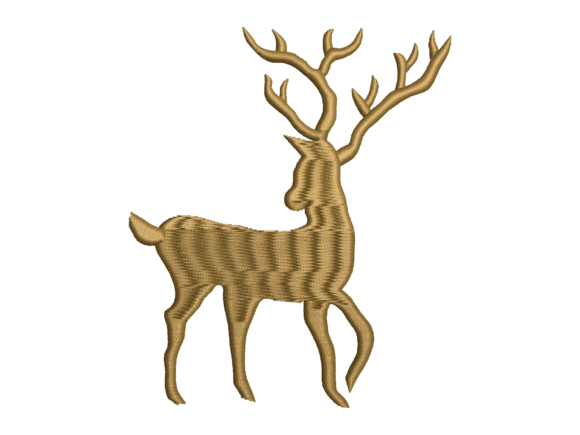
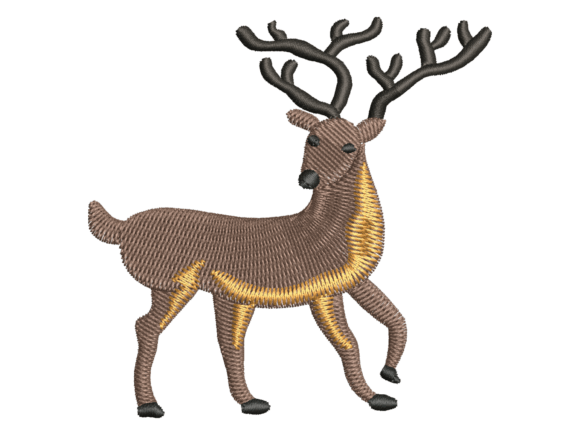
The moment you open the file, the character of the design becomes clear. Unlike the overly detailed, hyper-realistic deer patterns that can sometimes feel cluttered in smaller hoop sizes, Minimal Stag Embroidery Design embraces negative space. It creates a mood that is modern, rustic yet refined, and undeniably sophisticated. The shape relies on strong structural lines rather than intricate textures, which immediately suggests versatility. It feels like a design that belongs in a curated nursery, a high-end boutique, or a thoughtfully designed custom apparel collection. It captures the essence of Woodland Animals without being cliché, offering a visual personality that is calm and grounded.
This simplicity is its greatest strength. In an era where consumers are drawn to clean aesthetics, a minimalist stag offers a focal point that doesn't overwhelm the garment or accessory it adorns. It feels intentional, not accidental. For designers looking to build a cohesive brand identity, this piece provides a consistent visual anchor that works well alongside other nature-inspired elements or typography.
Real-Life Application: From Screen to Stitch
To truly understand the utility of this embroidery file, we have to look at how it behaves in actual production scenarios. I recently simulated a project for a small business client who wanted to launch a line of eco-friendly tote bags. The goal was to create a product that felt artisanal but could be produced efficiently. Minimal Stag Embroidery Design proved to be an ideal candidate for this.
On canvas or heavy cotton twill, the design holds its structure remarkably well. Because the stitch density is generally lower than complex pictorial designs, it reduces the risk of fabric puckering, a common issue with large fill areas on softer materials. Imagine applying this to a sweatshirt for a winter holiday gift. The clean lines stand out sharply against the texture of fleece, creating a professional finish that elevates the perceived value of the item. It transforms a basic blank hoodie into a statement piece that customers would be proud to wear.
I also considered its potential for baby items. The gentle, unthreatening nature of the minimal stag makes it perfect for a baby onesie or a quilt block. There is something deeply comforting about the simplicity of the image, making it a top contender for personalized gifts where parents want quality without visual noise. Whether used as a patch on a denim jacket or embroidered directly onto a pillow cover, the design adapts to the context while maintaining its integrity.
Where Caution is Required
While the design is versatile, no single embroidery file is a universal solution. There are specific scenarios where Minimal Stag Embroidery Design requires careful consideration. If you are working with extremely small hoop sizes, such as those found on standard baseball caps, the proportions might need adjustment. While the design is minimal, fine details can get lost if the scale is too compressed relative to the curvature of the hat.
Textured fabrics present another challenge. On heavily bouclé wool or very rough linen, the crisp edges of the satin and running stitches may not define themselves as clearly as they do on smooth cotton or poplin. Additionally, thin fabrics require a robust stabilizer strategy. Without proper backing, even a light design like this can distort the weave of the material, leading to a finished product that looks slightly off-center or warped.
Dark fabrics are another factor to consider. Depending on the thread colors selected, a black or navy background might swallow the lighter threads unless a high-contrast colorway is chosen. It is crucial to test thread colors before committing to a bulk order. Furthermore, for products that will undergo frequent industrial washing, such as aprons or workwear, the durability of the stitch pattern should be verified. While the design is simple, the longevity depends heavily on the quality of the thread and the stability of the application process.
Practical Designer Notes for Success
If you are planning to use this design for your next embroidery project, whether for a handmade product or a commercial asset, there are several steps you must take to ensure a flawless outcome. First and foremost, always test the design on scrap fabric that matches the weight and texture of your final material. This allows you to see how the stitch density interacts with the specific fabric grain.
Reviewing the stitch types is essential. Understanding where the machine will switch between satin stitch for outlines and fill stitch for body sections helps in selecting the right thread tension. Check the hoop size requirements carefully; if the design exceeds your machine's capabilities, you may need to split the file or adjust the scaling. Inspect the small details closely, particularly the antlers and legs, to ensure they remain distinct after stitching.
For digital sellers and Etsy shop owners, testing the design in black and white mockups is a smart move. This helps visualize how the contrast will appear on various product backgrounds without the distraction of color. Confirming the licensing terms is equally critical. Before selling finished items featuring this design, verify that your license covers commercial use. Many digital products come with restrictions that limit resale rights, so reading the fine print regarding the embroidery file usage is non-negotiable.
Impact on Brand and Customer Perception
The choice of an embroidery design goes beyond aesthetics; it influences customer trust and brand consistency. A poorly executed design can make a handmade product look amateurish, whereas a well-stitched Minimal Stag Embroidery Design signals professionalism. When a customer sees a clean, precise embroidery job on a tote bag or a holiday gift, they perceive higher value and are more likely to recommend the brand.
In the competitive landscape of craft businesses and boutique branding, standing out is key. This design offers a unique blend of nature and modernity that appeals to a wide demographic. It is recognizable enough to be memorable but subtle enough to fit into various design systems. Whether you are creating printable mockups for listings or preparing physical goods for a craft fair, the clarity of this design ensures that your product photographs well and catches the eye.
Ultimately, the success of any embroidery project relies on the synergy between the digital file and the execution. Minimal Stag Embroidery Design provides a solid foundation for creative entrepreneurs, offering a design that is easy to work with but impactful in the final result. By paying attention to fabric selection, stabilizer usage, and thread choices, you can transform this digital asset into a tangible masterpiece that delights clients and supports your craft business goals.