Seafood Patch Embroidery Design Review
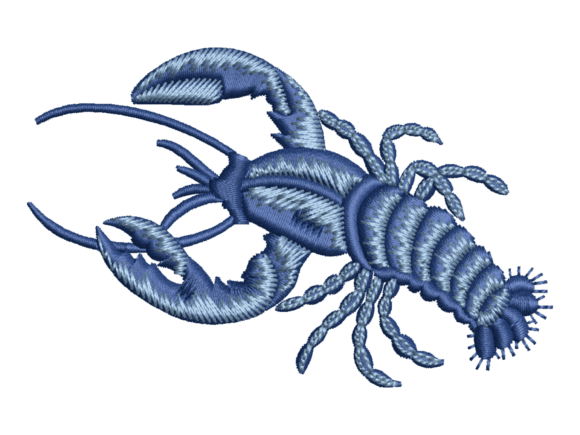
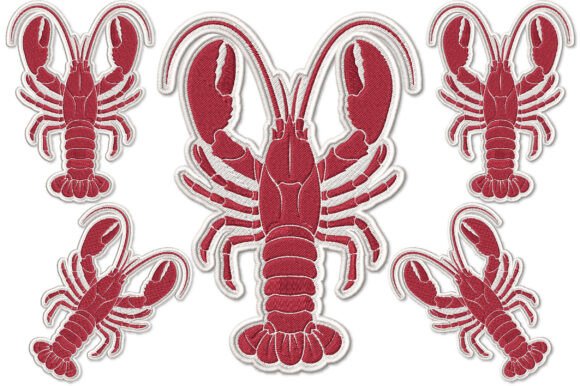
As a designer who spends more time troubleshooting stitch density than actually creating art, I approach every new embroidery file with a mix of excitement and skepticism. You never know if a design will translate from the screen to the fabric without looking like a muddy mess. Recently, I put the Seafood Patch Embroidery Design through its paces to see if it could hold up in a real-world commercial setting. The product description promises a "bold statement" featuring a classic red lobster with clean outlines and textured fill, but does it deliver on that promise for the practical maker?
First Impressions: A Nautical Mood Board
The moment you open the file, the visual personality of this machine embroidery design is immediately apparent. It isn't just a generic fish icon; it has character. The layout feels balanced, designed specifically to mimic a high-quality embroidered patch rather than a simple logo stamped onto a shirt. The mood it creates is coastal, fun, and slightly rustic, which makes it perfect for brands or projects that want to evoke a seaside vibe without being overly kitschy.
The detail level is where this design shines. Unlike many digital assets that lose their shape when scaled down, the Seafood Patch Embroidery Design maintains its integrity. The concept of a "classic red lobster" suggests a vibrant color story, and the inclusion of clean outlines implies that the digitizer understood the importance of structure. For those of us selling handmade goods, this kind of clarity is crucial because it signals professionalism to the customer before they even touch the item.
Real-World Application: From Tote Bag to Boutique Shelf
To truly test this design, I didn't just look at the digital preview; I imagined it stitched on various substrates. My first scenario was a custom tote bag project for a local seafood market's summer sale. I needed something that would pop against a canvas background but not overwhelm the fabric's texture. This embroidery project fits that bill perfectly. The lobster shape is distinct enough to be recognizable even from a distance, making it an ideal choice for merchandise that needs to catch the eye at a craft fair or boutique.
I also considered using it on a sweatshirt for a family reunion theme. The "patch" aesthetic works beautifully here, as it adds a layer of depth that flat printing cannot achieve. When you use a fill stitch technique effectively, as this design appears to do, the resulting texture invites people to touch the garment. That tactile element is a huge selling point for handmade products. Imagine a customer seeing a soft, textured lobster on a cozy hoodie; the perceived value jumps instantly compared to a screen-printed graphic.
For smaller items, like baby clothes or nursery decor, the design offers a playful yet sophisticated option. Parents often look for unique, personalized gifts that aren't mass-produced. An embroidered patch of a lobster on a onesie or a pillow cover stands out as a thoughtful, artisanal touch. It bridges the gap between a simple gift and a keepsake, suggesting that someone put actual effort into the creation.
Technical Performance and Fabric Considerations
However, not every surface is created equal, and a professional reviewer must address where this design might struggle. The Seafood Patch Embroidery Design relies on specific stitch types to create its effect. If you are working with thin, stretchy fabrics like lightweight jersey, you need to be cautious. Without proper stabilizer usage, the tension required for the detailed outlines could cause the fabric to pucker or distort the lobster's shape.
Dense stitch areas can also be a concern if you are trying to fit this design into a very small hoop size. While the design looks great at standard sizes, attempting to shrink it too much for a cap brim or a tiny pocket might result in the thread merging together, losing the definition of the claws and antennae. Furthermore, on dark fabrics, the classic red might get lost if you don't choose the right thread contrast or add a sufficient underlay. Always check your thread colors against your fabric swatch before committing to a full run.
If you plan to use this for frequent washing, such as on kitchen towels or aprons, ensure the stitch density is robust enough to withstand friction. Designs with loose running stitches might unravel over time, but a design with tight satin and fill stitches generally holds up well. Still, testing on scrap fabric is non-negotiable. You need to verify how the design behaves on the specific material you intend to sell.
Impact on Branding and Customer Trust
In the world of Etsy sellers and small business owners, consistency is key. Using a high-quality digital embroidery file like this one helps establish brand credibility. When a customer receives a finished product with crisp lines and no loose threads, they trust the maker more. The Seafood Patch Embroidery Design contributes to a cohesive look that says, "I take my craft seriously."
This design also enhances the "giftability" factor. Whether it is a holiday gift or a wedding present, an embroidered item feels more personal. The nautical theme is versatile enough to work for birthdays, anniversaries, or even corporate gifts for fishing charters and restaurants. It transforms a standard commodity into a branded asset. For those creating printable mockups to showcase their shop, this design provides a strong visual anchor that draws the viewer in.
Practical Designer Notes for Success
Before you jump into production, there are several technical steps you should take to ensure the best results. First, always test the design on scrap fabric that matches your final product in weight and texture. This allows you to adjust your hoop size and stabilizer choices without risking expensive materials.
Review the stitch density carefully. If the design feels too heavy, it may require trimming or re-digitizing for specific applications. Conversely, if it looks too sparse, it might lack the durability needed for a commercial embroidery job. Check whether the design includes necessary borders or if you need to add a backing to make it look like a true patch.
Don't forget to inspect the small details. In some cases, fine lines can break during stitching, especially on curved surfaces like caps. If you are unsure about the licensing terms for selling finished items made with this file, confirm them with the creator. Some design assets are for personal use only, while others allow for commercial sales of the physical goods. Clarity here prevents legal headaches down the road.
Finally, compare the design in black and white mockups. Sometimes color masks structural issues, but a monochrome view reveals the flow of the stitches. Does the lobster look balanced? Are the curves smooth? If the answer is yes, you have a winner.
The Seafood Patch Embroidery Design is a solid addition to any collection of embroidery files. It strikes a balance between artistic flair and technical feasibility. For designers looking to expand their offerings in apparel, home decor, or accessories, this design offers a reliable way to add a touch of coastal charm to your portfolio. Just remember: the magic happens in the execution, so treat your machine and materials with respect, and let the lobster shine.