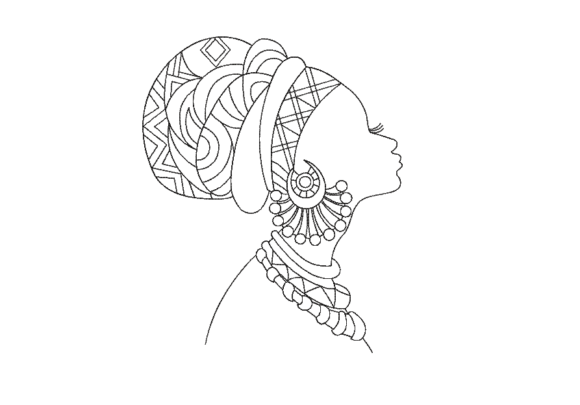
African Woman Machine Embroidery Design Review
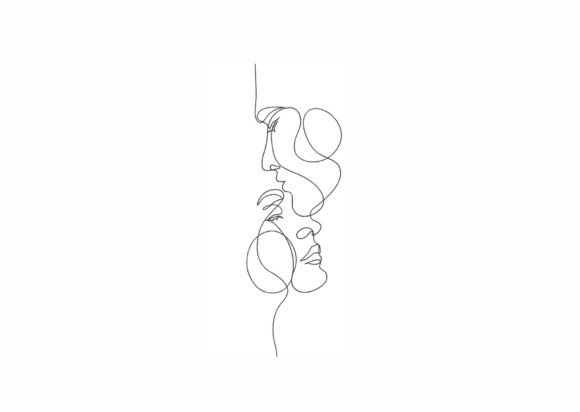
When I walk into a craft fair or set up my own booth for a weekend market, I am constantly scanning the tables for that one piece of art that stops a customer in their tracks. As an experienced embroidery designer who has spent years turning digital files into tangible goods, I know that the difference between a item that sits on a shelf and one that sells out by noon often comes down to the design itself. Today, I am reviewing the African Woman Machine Embroidery Design, a one-line digital creation described as a superb accent for sewing projects needing a touch of African beauty. This review is not just about aesthetics; it is a practical evaluation of how this design will perform when you are rushing to finish orders for your Etsy shop or preparing your inventory for a busy holiday season.
The First Impression: Bold Minimalism Meets Cultural Elegance
The moment I look at the preview of the African Woman Machine Embroidery Design, the "one-line" description immediately signals a modern, graphic aesthetic. In a sea of overly complex floral patterns and traditional motifs, this design stands out because of its simplicity. It feels elegant, sophisticated, and undeniably premium. The use of a single continuous line suggests fluidity and grace, which translates beautifully to the human form. For a handmade product, this style offers a contemporary edge that appeals to younger buyers while maintaining a timeless quality that older demographics appreciate.
This is not a rustic farmhouse design, nor is it strictly festive. Instead, it leans towards the artistic and decorative side of fashion. When placed on a neutral background, the design allows the texture of the thread to do the talking. It promises a clean look that photographs exceptionally well, which is a crucial factor for any Etsy seller or boutique maker relying on digital marketing to drive sales.
Product Potential: Where This Design Shines
To maximize the return on investment for this embroidery file, we need to consider where it performs best. Based on my experience with similar digital embroidery designs, the African Woman Machine Embroidery Design excels as a focal point on structured items. Imagine a high-quality canvas tote bag featuring this silhouette in the center. The contrast between the smooth fabric and the raised stitches creates a tactile experience that customers love to touch. It transforms a basic utility item into a statement accessory.
For kitchen-focused vendors, this design works wonders on tea towels and aprons. The vertical nature of a one-line portrait fits perfectly within the standard dimensions of a kitchen towel without overwhelming the space. It adds a personal, cultural touch to the home that elevates the perceived value of the item. Similarly, on small pouches or cosmetic bags, the design acts as a chic logo or brand mark. It is versatile enough to be used as an embroidered patch for denim jackets or caps, adding a unique flair to streetwear.
I also envision this design thriving on pillow covers. A large, singular image allows the design to breathe, making it a stunning centerpiece for a living room display. Whether you are selling commercial embroidery products or creating small shop products for a local market, this design offers a strong visual hook that can differentiate your booth from competitors offering generic patterns.
Photography and Visual Appeal
In the world of handmade commerce, photography is everything. The African Woman Machine Embroidery Design is inherently photogenic. Its clean lines create a sharp image against various backgrounds, ensuring that your printable mockup looks professional and crisp. Customers scrolling through social media or browsing your online store will notice the clarity of the design. It conveys a sense of care and precision, suggesting that the finished product is of high quality. This visual appeal directly impacts customer attention and engagement, often leading to higher conversion rates.
Practical Production Considerations
While the aesthetic potential is high, every designer knows that production reality must match the vision. One of the primary advantages of this design is its likely low stitch count due to the one-line technique. This means faster hoop times and lower thread consumption, which is vital for batch production. If you are planning to produce dozens of items for a craft fair, efficiency is key. The design should feel repeatable and consistent across different runs, ensuring that every tote bag or apron looks identical and professional.
However, there are practical nuances to consider. Because the design relies on a single line, the stability of that line depends heavily on proper stabilizer usage. You must ensure that the stabilizer matches the weight of the fabric. On light fabrics like linen or cotton tea towels, a cut-away stabilizer might provide the necessary support to prevent puckering. Conversely, on thicker materials like denim or heavy canvas, you may need a heavier duty backing to maintain the integrity of the stitches.
Careful-Use Notes and Technical Constraints
Before you commit to mass production, there are specific areas where this design requires careful handling. The description mentions "multiple embroidery file formats," but you must verify the specific requirements before stitching. Check the recommended hoop size to ensure the design fits your intended product without cutting off parts of the figure. If you attempt to scale this design down too much, you risk losing the clarity of the one-line feature. Tiny details in a simplified design can become muddy if the stitch density is too high or the fabric texture is too rough.
Thread color selection is another critical factor. Since the design is minimal, the choice of thread will define the mood. High-contrast colors, such as black thread on white fabric or gold on navy, will make the design pop. However, be cautious with dark fabrics; lighter threads may require a underlay or a specific stitch type to ensure visibility. Additionally, textured fabrics like thick terry cloth or bouclé can obscure the fine lines of the design. Always test on scrap fabric first to see how the needle interacts with the material.
Designer's Checklist for Success
To ensure your finished product meets the highest standards, follow these essential steps. First, always run a test stitch on a scrap piece of the actual fabric you plan to use. This allows you to check the thread contrast and inspect the stitch density for any potential issues. Second, confirm the spacing of the design relative to the edges of your item to avoid awkward cropping. Third, create at least one real-world mockup to see how the design behaves in three dimensions, especially on curved surfaces like caps.
Finally, do not overlook the legal aspects. Confirm the commercial licensing terms associated with the African Woman Machine Embroidery Design. Ensure you have the right to sell the physical items created from this embroidery file. By taking these precautions, you protect your business and ensure that your brand remains consistent and trustworthy.
Ultimately, the African Woman Machine Embroidery Design is a powerful asset for any creative entrepreneur. It combines cultural appreciation with modern design sensibilities, offering a unique opportunity to create meaningful handmade products. Whether you are an established boutique owner or a new Etsy seller, this design has the potential to elevate your collection and capture the hearts of customers looking for something special. With the right preparation and execution, it can become a bestseller in your next craft fair or online shop.