Hearte Machine Embroidery Design Review
As an embroidery designer who spends countless weekends prepping for craft fairs and managing a handmade shop, I know that the difference between a design that sits in a digital folder and one that becomes a best-selling craft fair product often comes down to practicality. Today, I am reviewing the Hearte Machine Embroidery Design. The description suggests this is a versatile piece intended for decorating clothes for both adults and children, compatible with various machines. But does it hold up when you are actually stitching out dozens of units for a weekend booth? Let's dive into how this embroidery file performs in the real world.
First Impressions: A Versatile Valentine S Day Staple
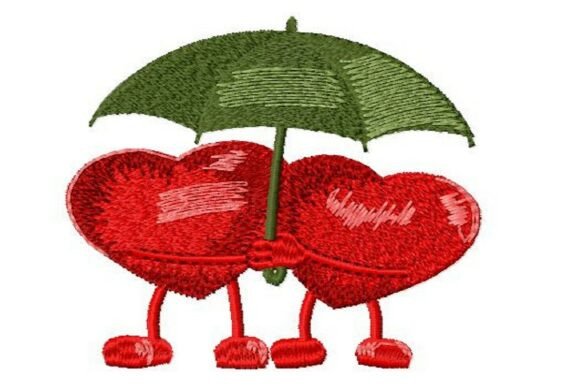
When I first loaded the Hearte Machine Embroidery Design into my software, my immediate thought was about its adaptability. In the world of handmade goods, especially those tied to Valentine S Day, versatility is king. The title implies a playful yet classic heart motif. For a boutique maker or an Etsy seller, this isn't just a graphic; it is a potential brand asset. It feels like it straddles the line between modern minimalism and traditional romance, making it suitable for a wide demographic. Whether you are targeting parents looking for kids' apparel or adults seeking a chic accent on a tote bag, this design has the potential to be a workhorse for your inventory.
Product Potential: Where Does It Shine?
The true test of any digital embroidery file is how it translates across different mediums. Based on my experience setting up tables for markets, here is where the Hearte Machine Embroidery Design could stand out:
- Tote Bags and Market Bags: This is perhaps the highest ROI application. A simple heart centered on a canvas tote or embroidered on the side of a market bag creates an instant focal point. It photographs beautifully for online listings, serving as a perfect printable mockup element for your Etsy shop.
- Apron Embroidery and Tea Towel Embroidery: For kitchen-themed gifts, this design adds a touch of personality without overwhelming the fabric. On a tea towel, it can act as a charming border detail or a central accent. The contrast of thread against linen or cotton is crucial here.
- Caps and Embroidered Patches: If you sell custom headwear, this design works well as a small chest logo or a detachable patch. However, the curvature of caps requires careful testing to ensure the heart doesn't distort at the edges.
- Fabric Pouches and Pillow Covers: Small pouches for makeup or jewelry are high-margin items. A subtle heart design elevates the perceived value of these small shop products. Similarly, pillow covers allow for larger scale versions of the design if the file supports scaling.
Photography and Visual Appeal
In the age of social media selling, visual appeal dictates sales. The Hearte Machine Embroidery Design needs to pop in photos. Because hearts are universally recognized symbols, they draw the eye immediately. When photographing your finished product, ensure the lighting highlights the texture of the stitches. A clean, well-executed heart on a neutral background (like cream or denim) often sells better than a busy pattern because it looks premium and timeless.
Production Realities: What Sellers Need to Know
Before you commit to a bulk run for a holiday season rush, you must consider the technical execution. As a professional, I advise treating every new design as a prototype until proven otherwise.
- Stitch Density and Clarity: Check the stitch density of the file. If the heart is too dense, it may pucker thin fabrics like t-shirts. If it is too sparse, it might look cheap on heavier materials like denim. Ensure the design maintains clarity at smaller sizes, as tiny details often get lost when stitched on a child's hat or a small pouch.
- Hoop Size and Fabric Texture: Confirm your hoop size matches the design dimensions. A design that fits perfectly in a 4x4 hoop might need to be split or resized for larger garments. Also, consider the fabric texture; rough burlap or thick towels may require a different approach than smooth cotton.
- Thread Colors: The choice of thread colors will define the mood. While red and pink are obvious choices for Valentine S Day, don't overlook black, white, or gold threads for a more modern, gender-neutral aesthetic that appeals to a broader audience.
- Stabilizer Selection: Using the right stabilizer is non-negotiable. For stretchy knits, a cut-away stabilizer provides necessary support. For wovens like aprons, a tear-away might suffice. Skipping this step leads to puckering, which kills the quality of your finished product.
Strategic Selling Points for Craft Fairs
When you set up your booth, you have seconds to capture attention. The Hearte Machine Embroidery Design offers a distinct advantage: repeatability. You can create a cohesive display by using the same design across different price points—a $5 embroidered patch, a $20 tote bag, and a $35 apron. This consistency strengthens your brand identity.
For the Etsy seller or the commercial embroidery business owner, this design allows for efficient batch production. If the file is clean and easy to understand, you can program multiple hoops and run them overnight. This efficiency is vital for meeting deadlines during peak seasons.
Careful Use Notes and Quality Control
While this design seems promising, there are specific areas where caution is required. Avoid using this on very dark fabrics unless you plan to use a heavy underlay or a light-colored thread base, as the contrast might wash out the design. Similarly, be wary of placing the design near seams or edges where the fabric might bunch up during the stitching process.
If the design includes tiny lettering or intricate curves, test it thoroughly. Sometimes, what looks good on screen loses definition when stitched. Always inspect the back of your work for loose threads or excessive stabilizer residue, as these details affect the handmade quality that customers pay a premium for.
Final Verdict for the Creative Entrepreneur
The Hearte Machine Embroidery Design appears to be a solid addition to any crafter's arsenal. Its potential to decorate clothes for both adults and children makes it a versatile tool for expanding your product line. Whether you are creating unique gifts for a local market or building a scalable online store, this design offers the flexibility needed to succeed.
However, success lies in the execution. Take the time to test the design on scrap fabric, review spacing, and confirm commercial licensing before selling finished products. By paying attention to the nuances of stitch density, thread colors, and fabric texture, you can transform this digital asset into a tangible source of income. For the serious embroidery business owner, this is a design worth investing in, provided you treat the production process with the care it deserves.